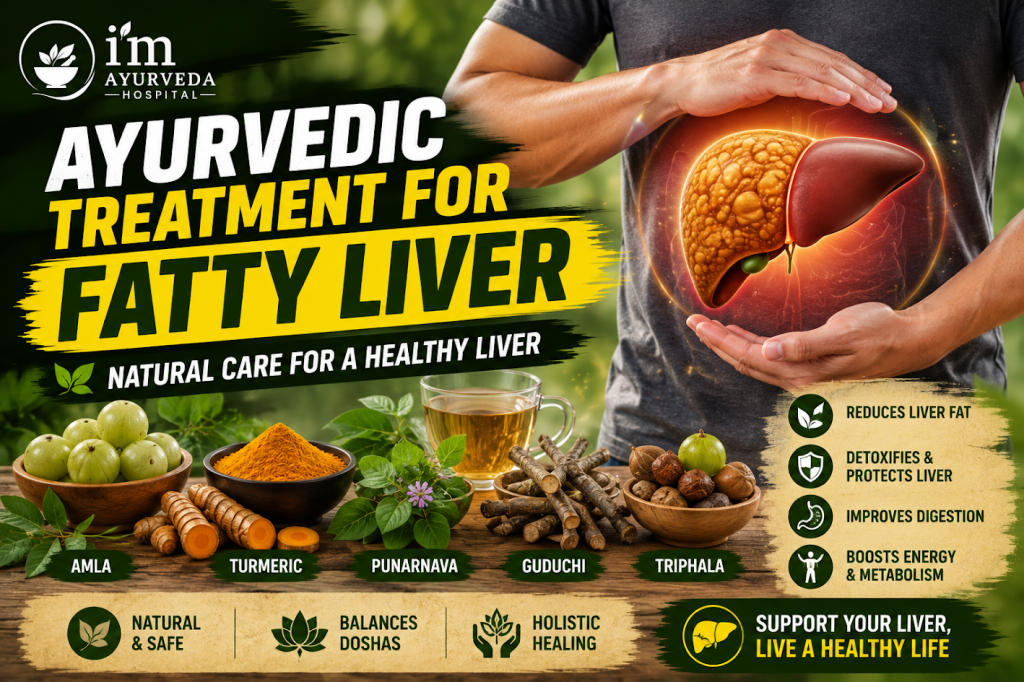
Natural Ways to Support Liver Health
Fatty liver disease occurs when excess fat accumulates in liver cells. It is increasingly common and is often associated with excess body weight, insulin resistance, type 2 diabetes, high triglycerides, a sedentary lifestyle, and certain dietary habits.
Many people searching for Ayurvedic treatment for fatty liver want natural ways to improve liver health. Ayurveda offers a holistic approach involving diet, physical activity, weight management, daily routines, and traditionally used herbs. However, fatty liver should be properly diagnosed and monitored because advanced liver disease can develop without obvious symptoms.
What Is Fatty Liver Disease?
Fatty liver generally refers to fat building up in the liver due to metabolic issues or from drinking too much alcohol. The type linked to metabolism is now often called metabolic dysfunction-associated steatotic liver disease (MASLD).
In the early stages, fatty liver usually doesn’t cause any clear symptoms. Some people might feel tired or have discomfort in the upper right part of their belly.
If the liver becomes inflamed or damaged, fatty liver can get worse and lead to scarring (fibrosis) or even cirrhosis in some people. That’s why making healthy changes early on is so important.
Fatty Liver According to Ayurveda
In Ayurveda, liver health is connected to Pitta, Agni (which means digestion and metabolism), Meda Dhatu (fat tissue), and Ama, a term for the buildup that happens when digestion and metabolism are not working well.
So, an Ayurvedic approach usually aims to improve eating habits, keep metabolism healthy, support digestion, encourage more physical activity, and use herbs carefully with advice from a professional.
Instead of depending on just one ‘liver detox,’ building healthy habits that last is usually more important for keeping your liver healthy over time.
1. Turmeric (Haridra)
Turmeric, or Haridra, is one of the most familiar herbs used in Ayurveda.
The main active parts of turmeric are curcuminoids, especially curcumin. These have been well studied for their antioxidant and anti-inflammatory effects.
You can add turmeric to your meals as a spice. Curcumin supplements are much stronger than regular turmeric and should be used with caution, especially if you take medication or have gallbladder or liver problems.
2. Amla (Amalaki)
Amla, also called Indian gooseberry or Amalaki, has an important place in traditional Ayurveda.
It naturally contains vitamin C and numerous plant compounds with antioxidant properties. Ayurveda traditionally uses Amalaki as a Rasayana and as part of dietary practices intended to support digestion and general wellbeing.
Fresh amla or unsweetened preparations can be incorporated into a balanced diet. Highly sweetened amla candies and syrups are less suitable when managing excess calorie or sugar intake.
3. Punarnava
Punarnava (Boerhavia diffusa) is another herb traditionally used in Ayurvedic medicine.
It has historically been incorporated into formulations intended to support metabolic, digestive, and fluid balance. Research continues into its biological properties, but evidence for treating human fatty liver remains limited.
For this reason, Punarnava should not be considered a substitute for medically recommended fatty-liver management.
4. Guduchi (Giloy)
Guduchi (Tinospora cordifolia) has traditionally been used in Ayurveda for various wellness purposes.
Although it is frequently promoted as a “liver detox” herb, this description can be misleading. Cases of liver injury associated with some Tinospora-containing products have been reported.
People with existing liver abnormalities should therefore not self-medicate with Giloy supplements. Its use should be discussed with a qualified healthcare professional.
5. Triphala
Triphala is a classical Ayurvedic formulation combining three fruits: Amalaki, Haritaki, and Bibhitaki.
Triphala is traditionally used to help keep digestion regular and support gut health. In Ayurveda, it may be included if digestive health is part of your treatment plan.
However, Triphala should not be seen as a guaranteed cure for fatty liver.
6. Focus on Weight Management
For many people with metabolic fatty liver, slowly and steadily losing weight is one of the most important steps if you are overweight or obese.
Instead of trying extreme ‘detox diets,’ focus on making steady improvements to your diet and eating the right amount of calories.
A diet that’s good for your liver should include plenty of vegetables, whole fruits, beans, whole grains, nuts, seeds, and healthy protein. Try to limit refined carbs, sugary drinks, sweets, fried foods, and highly processed foods.
7. Reduce Sugar and Sugary Drinks
Drinking sugary drinks often adds a lot of extra calories and is linked to metabolic problems that can lead to fatty liver.
Try to limit soft drinks, sweetened juices, energy drinks, packaged shakes, and too many sweets.
Pick water, unsweetened drinks, or whole fruit instead of having sweetened drinks regularly.
8. Exercise Regularly
Being active is a key part of treating fatty liver.
Try to slowly work up to doing regular aerobic exercise like brisk walking, cycling, swimming, or jogging. Add some resistance training if it suits you.
Exercise can boost your metabolic health and lower liver fat, even before you see big changes in your weight.
Yoga can also complement an active lifestyle by supporting flexibility, physical activity, and stress management, although it should not replace recommended medical treatment.
Can Ayurveda Reverse Fatty Liver?
Early-stage fatty liver can often improve substantially, particularly when underlying metabolic factors are addressed.
The most important measures generally include sustainable weight management, regular physical activity, improved diet, control of diabetes and abnormal cholesterol or triglycerides, and avoiding or limiting alcohol according to medical advice.
Ayurvedic treatment for fatty liver may complement these measures through individualised dietary and lifestyle guidance. Herbal medicines should be selected cautiously because the liver processes many herbal compounds, and some products can themselves cause liver injury.
When Should You Consult a Doctor?
Do not rely solely on home remedies if you have been diagnosed with fatty liver.
A healthcare professional may recommend blood tests, imaging, or other assessments depending on your risk factors. Seek prompt medical attention for symptoms such as yellowing of the eyes or skin, abdominal swelling, persistent vomiting, confusion, black stools, or significant unexplained weight loss.
Final Thoughts
A good Ayurvedic approach to fatty liver is about more than just herbs. Healthy eating, regular exercise, managing your weight, cutting back on added sugar, getting enough sleep, and regular check-ups are the basics for better liver health.
Ayurvedic ingredients like turmeric, amla, punarnava, and triphala have traditional uses, but they should be seen as helpful additions, not as guaranteed cures.
If you already have fatty liver, the safest way to care for your liver long-term is to combine regular medical check-ups with advice from a qualified Ayurvedic practitioner.
FAQs
There isn’t one Ayurvedic remedy that works best for everyone. It’s better to focus on diet changes, exercise, weight control, and getting personalized Ayurvedic advice instead of relying on just one herb.
Fatty liver in its early stages can often get better with steady lifestyle changes, especially by managing your weight, exercising, eating healthier, and taking care of any underlying health issues.
Ayurveda often uses herbs like amla, turmeric, punarnava, and triphala. Whether these are right for you depends on your health and any medicines you take.
You don’t need to do harsh detox drinks or cleanses. Your liver already handles detoxification. Making lasting changes to your diet, activity, weight, and overall health matters much more.