Why Does Kidney Failure Occur?

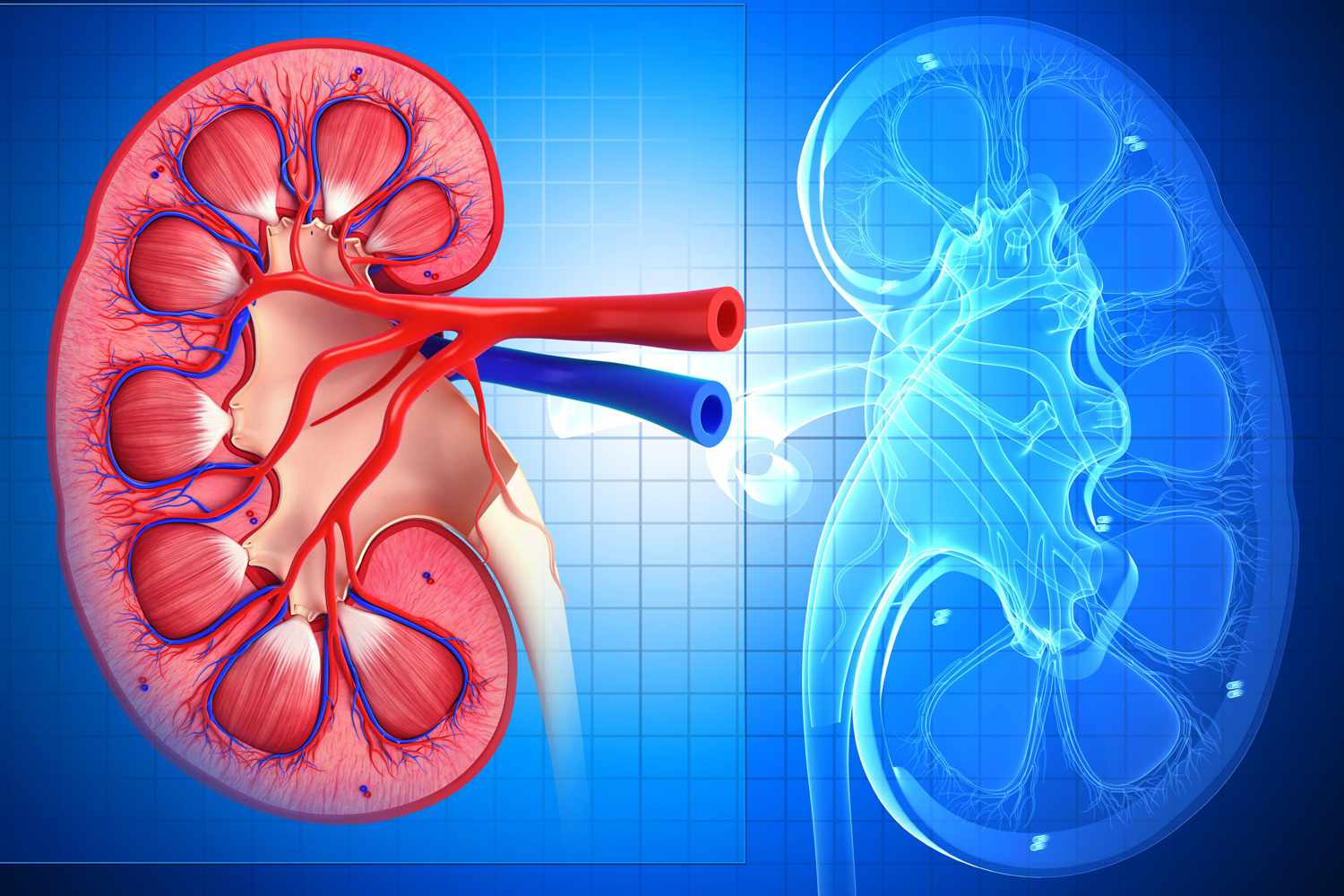
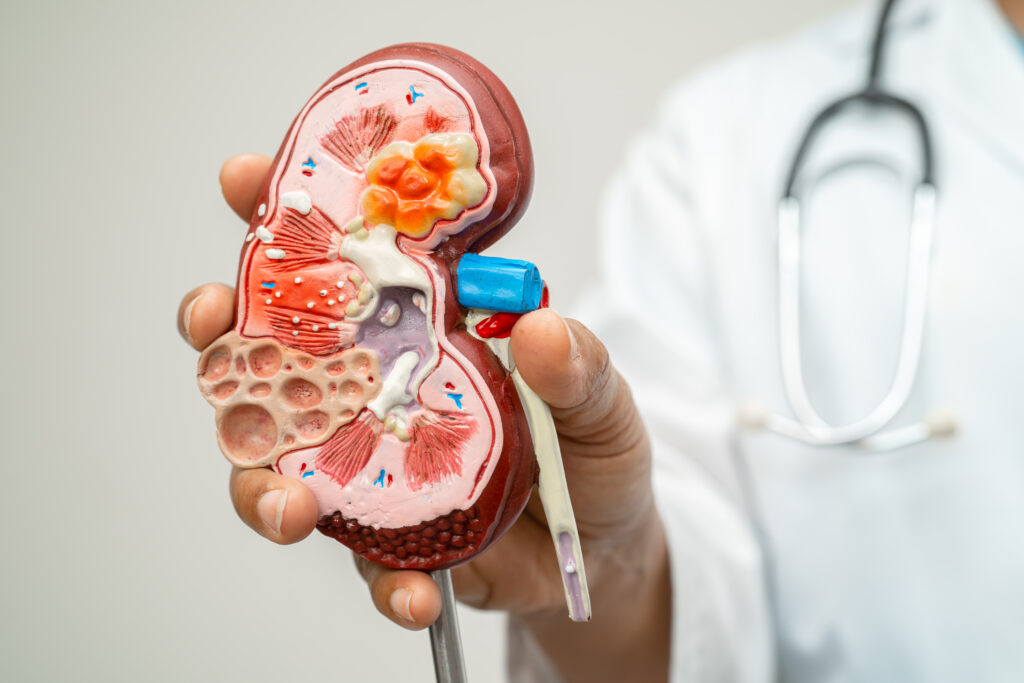
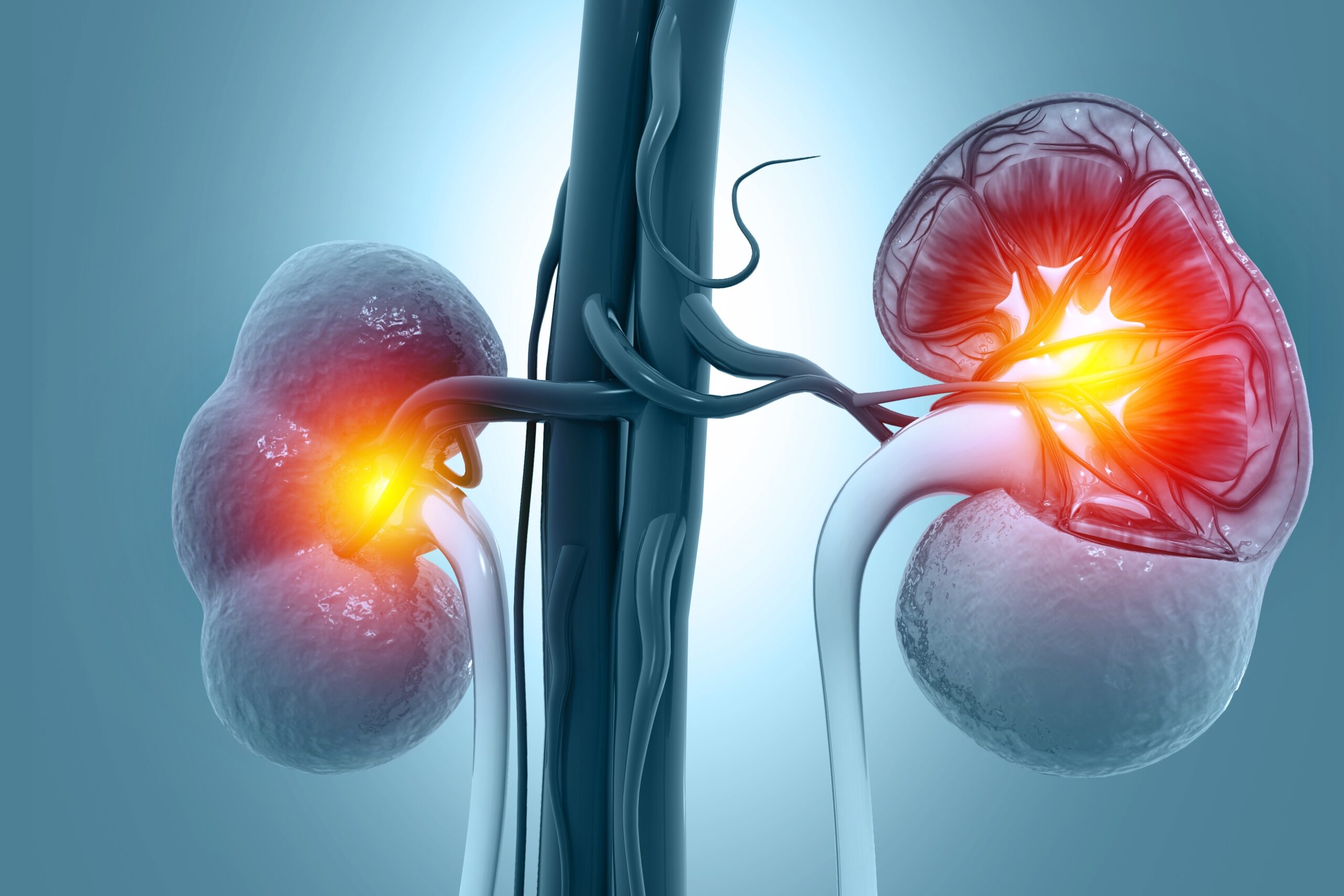
Kidney failure, or renal failure, happens when the kidneys can’t remove waste, extra fluids, and toxins from the blood. Normally, kidneys balance fluids and electrolytes, control blood pressure, and help make red blood cells. If they stop working well, substances like urea and creatinine build up and cause health issues.

Kidney failure can happen quickly after a serious illness or injury, or it can develop slowly over months or years because of chronic kidney disease (CKD). Often, kidney damage gets worse without obvious symptoms at first. Finding and treating the problem early helps protect kidney function and prevent more damage.

Types of Kidney Failure

1. Acute Kidney Failure (Acute Kidney Injury) Acute kidney failure happens when the kidneys suddenly stop filtering waste, sometimes in just a few hours or days. It can be caused by severe dehydration, infections, low blood flow to the kidneys, certain medicines, or injury. If treated quickly, the kidneys can often recover fully or partly.

2. Chronic Kidney Failure (Chronic Kidney Disease) Chronic kidney failure develops slowly because of ongoing damage to the kidneys. Common causes include diabetes, high blood pressure, long-term glomerular diseases, inherited kidney problems, and repeated kidney infections. Without proper care, chronic kidney disease can get worse and may require dialysis or a kidney transplant.

GET A FREE CONSULTATION

Common Causes of Kidney Failure

Glomerular Diseases

The glomeruli are tiny filters in the kidneys that remove waste and extra fluid from the blood. If these filters are damaged or inflamed, the kidneys cannot work well. This lets toxins build up and causes ongoing kidney damage. High blood sugar can harm the small blood vessels and filters in the kidneys. Diabetes is one of the most common causes of chronic kidney disease worldwide.

High Blood Pressure

Uncontrolled hypertension places excessive strain on the blood vessels of the kidneys, reducing their ability to filter blood effectively and increasing the risk of kidney failure over time.

Recurrent Kidney Infections and Urinary Tract Disorders

Repeated infections, urinary tract obstructions, kidney stones, or structural abnormalities can gradually damage kidney tissue and impair renal function.

Autoimmune and Genetic Disorders

Certain autoimmune diseases and inherited kidney conditions can attack or damage kidney tissues, resulting in progressive loss of kidney function.

Symptoms of Kidney Failure

Kidney failure usually develops gradually, and symptoms may not become noticeable until significant kidney damage has occurred. In the early stages, many people experience mild signs that are often ignored or mistaken for other health issues.

Common symptoms of kidney failure include:

  • Swelling of the feet, ankles, legs, hands, or face (oedema)
  • Puffiness around the eyes, especially in the morning
  • Changes in urination frequency, including frequent urination at night
  • Reduced urine output or difficulty passing urine
  • Foamy urine, indicating excess protein in the urine
  • Dark-colored, cloudy, or blood-tinged urine
  • Difficulty sleeping or restless sleep
  • Muscle cramps, especially in the legs
  • Dry, itchy skin
  • Difficulty concentrating, confusion, or poor memory
  • High blood pressure that is difficult to control

Types of Kidney Failure

Kidney failure can develop suddenly or progress gradually over time due to various kidney disorders. Understanding the different types of kidney diseases can help in early diagnosis, timely treatment, and better kidney health. Explore the conditions below to learn about their causes, symptoms, and management options.

Acute
Kidney Failure

Acute Kidney Failure, or Acute Kidney Injury (AKI), happens when your kidneys...

KNOW MORE

Chronic
Kidney Failure

Chronic Kidney Disease (CKD) is a long-lasting condition where the kidneys...

KNOW MORE

IgA
Nephropathy

IgA Nephropathy, also known as Berger's Disease, is a kidney condition...

KNOW MORE

Polycystic
Kidney Disease

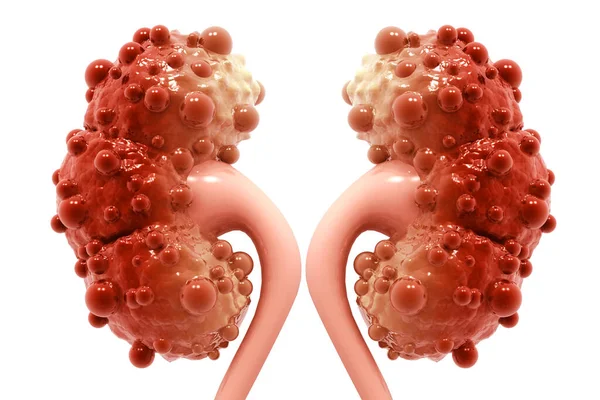
Polycystic Kidney Disease (PKD) is a genetic disorder where many fluid-filled...

KNOW MORE

Challenges of Long-Term Dialysis

Dialysis is a life-sustaining medical procedure used when the kidneys are unable to adequately filter waste products and excess fluids from the blood. While dialysis can help manage advanced kidney disease, it often requires multiple sessions each week and can significantly affect a patient's daily routine, physical well-being, and quality of life.

Many patients undergoing long-term dialysis experience fatigue, dietary restrictions, fluid limitations, and other health-related challenges. As kidney disease progresses, ongoing medical support and careful monitoring become increasingly important.

Common Challenges Associated with Dialysis

  • Fatigue and reduced energy levels
  • Muscle cramps during or after dialysis sessions
  • Fluctuations in blood pressure
  • Sleep disturbances
  • Itching and dry skin
  • Anemia (low red blood cell count)
  • Vascular access complications
  • Increased susceptibility to infections
  • Fluid retention and swelling
  • Cardiovascular complications in some patients

Who May Benefit from Additional Kidney Care and Support?

...
Individuals Experiencing Kidney Disease Symptoms

Symptoms such as swelling in the legs or ankles, foamy urine, blood in urine, fatigue, changes in urination patterns, kidney-area pain, or shortness of breath should not be ignored. Early assessment and appropriate kidney care may help support overall kidney health.

...
Patients Undergoing Dialysis

People receiving dialysis often seek supportive approaches to help manage symptoms, improve quality of life, and maintain overall well-being alongside their prescribed medical treatment. Individualised care plans may help address the unique challenges associated with advanced kidney disease.

...
Individuals with Advanced Kidney Disease

Patients with Chronic Kidney Disease (CKD) or End-Stage Kidney Disease (ESKD) require comprehensive management focused on preserving remaining kidney function, supporting overall health, and reducing the risk of complications.

...
Those Interested in Complementary Ayurvedic Support

Ayurveda focuses on a holistic approach that may include personalised herbal formulations, dietary recommendations, and supportive therapies to promote balance and overall wellness.

Why Choose I'M Ayurveda for Your Treatment?

PERSONALIZED & PATIENT-CENTRIC CARE

Our treatment approach is tailored to each individual, focusing on the underlying factors affecting kidney health and creating customized care plans based on their specific needs.

FOCUSED ON THE UNDERLYING CAUSE

Our approach goes beyond symptom management by identifying the factors contributing to the condition and developing a treatment plan tailored to the patient's needs.

COMPLETE & COORDINATED CARE

Our approach combines personalized assessment and individualized treatment planning to support long-term kidney health and patient well-being.

CONTINUOUS MONITORING

Regular follow-ups and health assessments help us track improvements, address concerns, and ensure that your treatment plan remains aligned with your needs.

CUSTOMIZED DIET & WELLNESS SUPPORT

Each patient receives dietary recommendations and supportive care guidance aligned with their unique health needs and treatment goals.

I’m Ayurveda Logo

I’m Ayurveda is dedicated to authentic Ayurvedic healing, offering personalized treatments that are carefully tailored to each individual’s unique health needs and wellness journey.

Get in Touch

B-70, Block B, Industrial Estate North, Naraina, New Delhi, Delhi, 110028
+ 91 9211323232
General Enquiry:
feedback@kudos.in