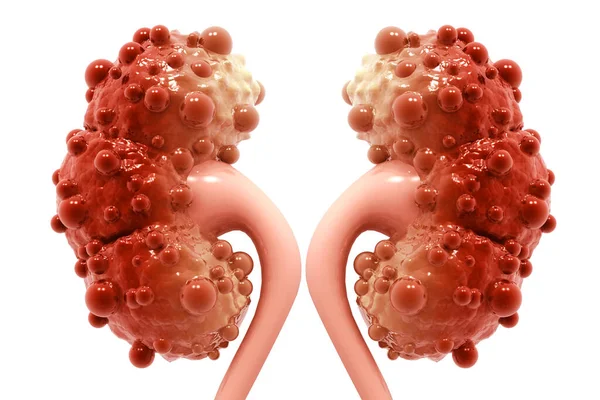
What Is Polycystic Kidney Disease (PKD)?

Polycystic Kidney Disease (PKD) is a genetic disorder where many fluid-filled cysts form in the kidneys. As these cysts grow and multiply, the kidneys get larger and may not work as well. When kidney function drops, waste and extra fluids can build up in the body, which raises the risk of Chronic Kidney Disease (CKD), high blood pressure, and kidney failure.

PKD is one of the most common inherited kidney diseases and may affect people of all ages. Early diagnosis and regular monitoring can help slow disease progression and reduce complications.

Causes of Polycystic Kidney Disease

Polycystic Kidney Disease is primarily caused by inherited genetic mutations passed down through families. The condition occurs when abnormal genes trigger the formation of multiple cysts within the kidneys.

  • Family history of Polycystic Kidney Disease
  • Inherited genetic mutations
  • Autosomal Dominant Polycystic Kidney Disease (ADPKD)
  • Autosomal Recessive Polycystic Kidney Disease (ARPKD)
  • High blood pressure can worsen kidney damage
  • Existing kidney disorders

Symptoms and Complications of Polycystic Kidney Disease

Many people with PKD do not notice symptoms at first. As the cysts get bigger, symptoms become clearer and kidney function can slowly get worse.

  • Pain in the lower back, sides, or kidney area
  • Abdominal pain or a feeling of fullness
  • High blood pressure
  • Blood in the urine (Hematuria)
  • Foamy urine due to protein leakage
  • Nausea and loss of appetite
  • Chronic Kidney Disease (CKD)
  • Progressive kidney failure
  • Uncontrolled hypertension
  • Kidney cyst rupture or bleeding
  • Cardiovascular complications
I’m Ayurveda Logo

I’m Ayurveda is dedicated to authentic Ayurvedic healing, offering personalized treatments that are carefully tailored to each individual’s unique health needs and wellness journey.

Get in Touch

B-70, Block B, Industrial Estate North, Naraina, New Delhi, Delhi, 110028
+ 91 9211323232
General Enquiry:
feedback@kudos.in