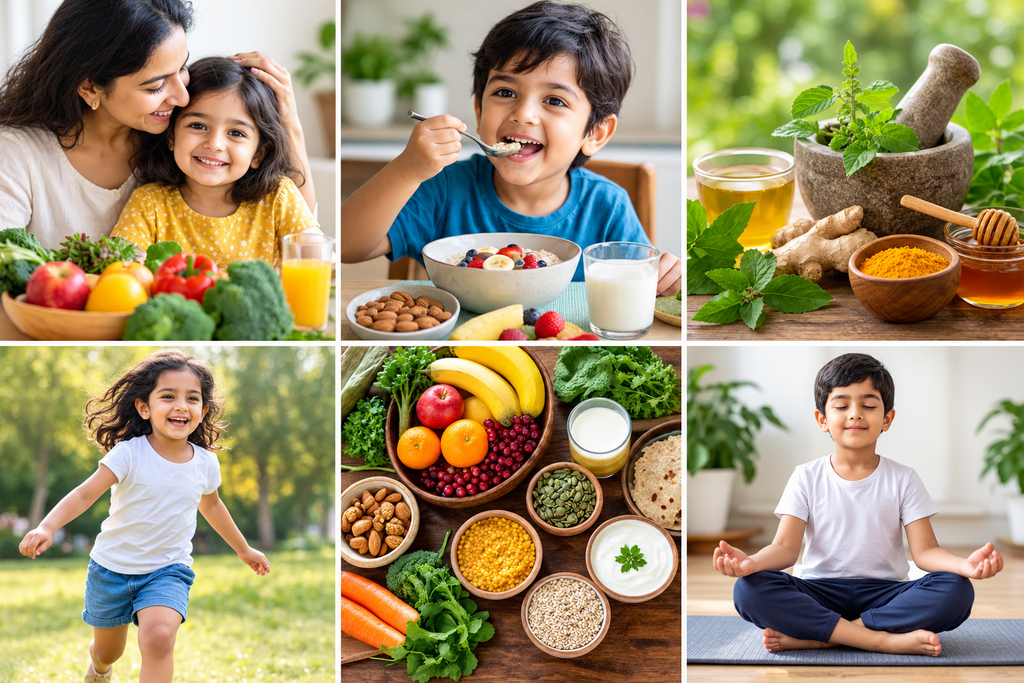
Children are naturally exposed to many germs as they grow, especially when they start school or daycare. A healthy immune system helps the body respond to infections, while good nutrition, sleep, physical activity, hygiene and recommended vaccinations all contribute to children’s overall health.
Ayurveda traditionally emphasizes a balanced diet, healthy daily routines and appropriate lifestyle practices. For children, these principles can be incorporated through simple, nourishing habits rather than relying on herbal supplements.
What Does “Weak Immunity” Mean in Children?
Parents may describe a child as having “weak immunity” when the child seems to catch colds frequently, gets repeated minor infections or takes longer to recover.
However, frequent infections do not automatically mean that a child has an immune deficiency. If infections are unusually severe, persistent or recurrent, parents should discuss them with a qualified pediatric healthcare professional rather than treating the problem only with home remedies.
Ayurvedic-Inspired Ways to Support Children’s Immune Health
1. Offer a Balanced, Nourishing Diet
Food is one of the most important foundations of healthy growth. Include a variety of:
- Seasonal fruits and vegetables
- Whole grains
- Dal, beans and other protein-rich foods
- Nuts and seeds when age-appropriate and safe
- Milk or other suitable sources of calcium and protein
- Healthy fats in appropriate amounts
A varied diet provides the nutrients children need for growth and normal immune function.
2. Include Warm, Homemade Foods
Traditional Ayurvedic routines often emphasize freshly prepared, easily digestible meals. Parents can offer age-appropriate homemade foods such as vegetable soups, dal, khichdi and other balanced meals.
The goal should be nutritious and varied meals, rather than using one particular food as an “immunity booster.”
3. Encourage Adequate Sleep
Sleep is an important part of healthy development and immune function. Children require more sleep than adults, with needs varying according to age.
A consistent bedtime routine can help children get adequate rest. Try to keep bedtime and wake-up times relatively regular.
4. Encourage Daily Physical Activity
Active play is an important part of a child’s healthy routine. Encourage age-appropriate activities such as outdoor play, walking, cycling or sports.
Regular physical activity, along with healthy eating and sufficient sleep, supports overall health.
5. Teach Good Hand Hygiene
Handwashing is a simple but important habit for reducing the spread of germs. Teach children to wash their hands before eating, after using the bathroom and after activities where their hands may become dirty.
Make handwashing fun and turn it into a regular part of the child’s daily routine.
6. Create a Calm Daily Routine
Ayurveda places importance on regular daily routines. A predictable routine that includes meals, play, study, relaxation and sleep can support a child’s overall well-being.
Simple activities such as age-appropriate breathing exercises, stretching or yoga can also be introduced when suitable and supervised.
7. Be Careful With Herbal Remedies
Parents often consider herbs such as tulsi, turmeric, ginger or other Ayurvedic preparations for children. However, “natural” does not automatically mean safe for children. Many herbal and complementary products have not been adequately studied in children, and supplements may have side effects, interactions or contamination concerns.
Therefore, avoid giving concentrated herbal preparations, supplements or Ayurvedic medicines to a child without guidance from an appropriately qualified healthcare professional.
Don’t Forget Recommended Vaccinations
Healthy food and lifestyle habits support general health, but they do not replace vaccination. Vaccines provide specific protection against vaccine-preventable diseases and should be given according to the recommended schedule for the child.
When Should Parents Consult a Doctor?
Talk to a pediatrician if your child has:
- Frequent or unusually severe infections
- Infections that keep returning
- Persistent fever
- Poor growth or unexplained weight loss
- Difficulty recovering from infections
- Any other symptoms that concern you
Some underlying conditions can require medical evaluation, so persistent or unusual symptoms should not be managed only with home remedies.
Final Thoughts
Supporting children’s immunity is not about finding one “magic” remedy. A balanced diet, adequate sleep, active play, good hygiene, healthy routines and recommended vaccinations form the foundation of children’s health.
Ayurvedic principles can be incorporated into a child’s lifestyle through nourishing foods and healthy routines, while herbal medicines and supplements should be approached carefully and discussed with a healthcare professional.