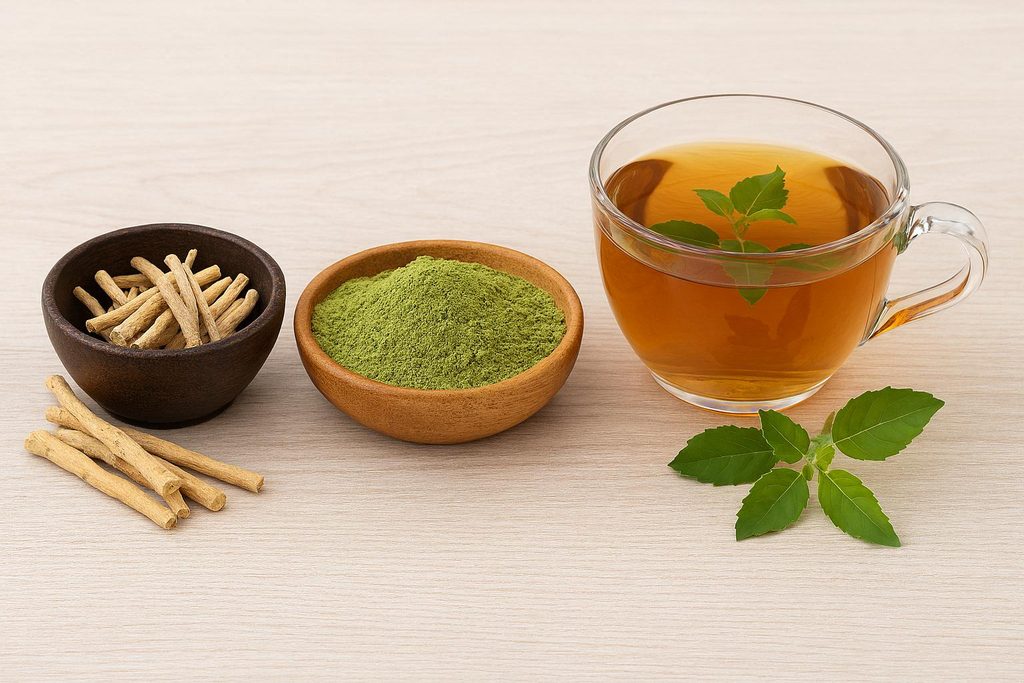
In today’s fast-paced world, stress and anxiety have become a common part of everyday life. Work pressure, financial responsibilities, lack of sleep, unhealthy eating habits, and excessive screen time can negatively affect both physical and mental well-being. While occasional stress is a natural response, chronic stress may lead to fatigue, poor concentration, digestive issues, insomnia, and weakened immunity.
Ayurveda, the ancient Indian system of holistic healing, focuses on treating the root cause of stress rather than simply masking the symptoms. According to Ayurveda, maintaining balance between the body, mind, and spirit is the key to achieving lasting emotional wellness. Stress and anxiety are commonly associated with an imbalance of Vata Dosha, which governs the nervous system and mental activity. Restoring this balance through herbs, diet, lifestyle, yoga, and meditation can naturally promote calmness and resilience.
Understanding Stress and Anxiety in Ayurveda
Ayurveda classifies the body into three doshas:
- Vata – Controls movement, nervous system, and thoughts.
- Pitta – Governs metabolism, emotions, and transformation.
- Kapha – Maintains stability, strength, and emotional balance.
When Vata becomes aggravated due to irregular routines, poor sleep, excessive work, or mental overstimulation, symptoms such as:
- Constant worrying
- Restlessness
- Racing thoughts
- Difficulty sleeping
- Panic or nervousness
- Lack of focus
may appear. Managing stress in Ayurveda begins with balancing Vata through nourishing food, calming routines, herbal support, and mindfulness practices.
Common Causes of Stress According to Ayurveda
- Irregular sleep schedule
- Skipping meals
- Excessive caffeine intake
- Long working hours
- Emotional suppression
- Excessive screen time
- Poor digestion (weak Agni)
- Lack of physical activity
- Continuous multitasking
These habits disturb the natural balance of the doshas and weaken the body’s ability to cope with stress.
Best Ayurvedic Herbs for Stress and Anxiety
1. Ashwagandha
Ashwagandha is one of Ayurveda’s most respected adaptogenic herbs. It helps the body adapt to stress, supports healthy cortisol levels, improves sleep quality, and promotes emotional resilience.
2. Brahmi
Brahmi is known to improve memory, concentration, and mental clarity while helping reduce nervous tension and overthinking.
3. Tulsi (Holy Basil)
Tulsi supports the body’s natural stress response, promotes relaxation, and strengthens immunity.
4. Shankhpushpi
Traditionally used to calm the mind, enhance cognitive function, and reduce mental fatigue.
5. Jatamansi
A calming Ayurvedic herb often used to support better sleep, relaxation, and emotional balance.
Note: Always consult a qualified Ayurvedic practitioner before starting any herbal supplements, especially if you are pregnant, breastfeeding, taking medications, or have a medical condition.
Ayurvedic Diet for Stress Relief
A balanced, warm, and nourishing diet helps calm Vata and supports mental well-being.
Foods to Include
- Warm cooked vegetables
- Whole grains
- Fresh seasonal fruits
- Ghee in moderation
- Almonds and walnuts
- Herbal teas (Tulsi, Chamomile)
- Warm milk with turmeric or nutmeg before bedtime
Foods to Avoid
- Processed foods
- Excess caffeine
- Soft drinks
- Refined sugar
- Fried and oily foods
- Alcohol
- Late-night heavy meals
Ayurvedic Lifestyle Practices
1. Daily Oil Massage (Abhyanga)
Massaging the body with warm sesame oil helps relax muscles, calm the nervous system, and improve circulation.
2. Follow a Regular Routine (Dinacharya)
Maintain consistent timings for:
- Waking up
- Meals
- Exercise
- Sleep
A regular routine is one of Ayurveda’s most effective tools for balancing Vata.
3. Get Quality Sleep
Aim for 7–8 hours of restful sleep each night to support emotional and physical recovery.
Yoga and Breathing Exercises
Daily yoga and pranayama can significantly reduce stress and improve emotional balance.
Recommended Yoga Poses
- Child’s Pose (Balasana)
- Sukhasana
- Shavasana
- Forward Bend
- Cat-Cow Stretch
Effective Pranayama
- Anulom Vilom
- Bhramari
- Deep Belly Breathing
Even 10–15 minutes of daily practice may help reduce stress and improve mental clarity.
Simple Home Remedies
Warm Herbal Tea
Sip Tulsi or Chamomile tea during the evening to encourage relaxation.
Golden Milk
Drink warm milk with turmeric and a pinch of nutmeg before bed to support restful sleep.
Foot Massage
Massage your feet with warm sesame oil or ghee before sleeping to help relax the body.
Aromatherapy
Natural fragrances such as sandalwood, lavender, or rose may create a calming environment.
Daily Stress Relief Routine
| Time | Activity |
|---|---|
| Morning | Wake early, drink warm water, practice meditation |
| Breakfast | Eat a nutritious, freshly prepared meal |
| Afternoon | Take short breaks and stay hydrated |
| Evening | Gentle yoga or a walk |
| Night | Herbal tea, foot massage, sleep before 10:30 PM |
When Should You Consult a Doctor?
Seek professional medical advice if:
- Anxiety lasts for several weeks.
- It interferes with work or daily life.
- You experience panic attacks.
- You have persistent insomnia.
- You feel hopeless or depressed.
Ayurveda can complement medical care, but severe or persistent mental health symptoms should be evaluated by a qualified healthcare professional.
Conclusion
Ayurveda offers a holistic approach to managing stress and anxiety by addressing the root causes instead of simply relieving symptoms. Through nourishing foods, calming herbs, healthy routines, yoga, meditation, and mindful living, it aims to restore balance and strengthen both body and mind. Small, consistent lifestyle changes can have a meaningful impact on emotional well-being over time. If symptoms are persistent or severe, consult a qualified healthcare professional or Ayurvedic practitioner for personalized guidance.