What Are Skin Disorders?

Skin disorders are conditions that affect the health, structure, appearance, or normal functioning of the skin. As the body's largest organ, the skin acts as a protective shield against environmental pollutants, harmful microorganisms, allergens, UV radiation, and physical injury. It also plays an important role in regulating body temperature, maintaining hydration, and supporting immune function.

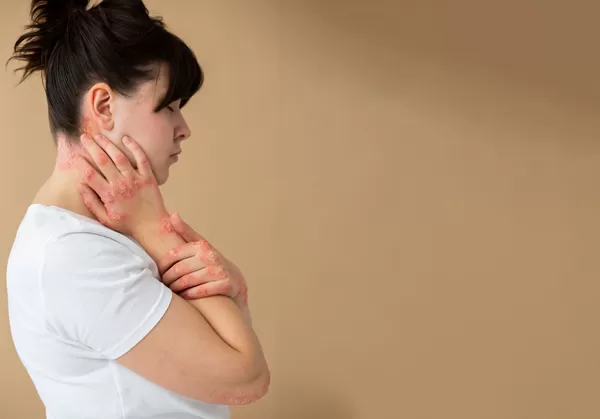
When the skin's natural balance is disrupted, various skin disorders can develop. Common conditions such as psoriasis, vitiligo, acne, eczema, fungal infections, and hyperpigmentation may cause visible changes in the skin, along with symptoms including itching, redness, inflammation, scaling, discolouration, and irritation.

Since healthy skin contributes significantly to personal confidence and overall well-being, chronic skin disorders can affect not only physical health but also emotional and social quality of life.

Common Symptoms of Skin Disorders

The symptoms of skin disorders vary depending on the underlying condition, severity, and individual factors. Some of the most frequently observed symptoms include:

  • Skin Rashes Red, inflamed, or irritated patches that alter the skin's appearance and texture.
  • Persistent Itching Mild to severe itching that may be localised to a specific area or spread across larger parts of the body.
  • Dry and Flaky Skin Excessive dryness can lead to roughness, cracking, and increased skin sensitivity.
  • Scaling and Peeling The shedding of dead skin cells, resulting in visible flakes, scales, or peeling skin.
  • Pain and Discomfort Certain skin conditions may cause tenderness, burning sensations, irritation, or discomfort.
  • Changes in Skin Pigmentation Dark patches (hyperpigmentation), white patches (hypopigmentation), or uneven skin tone resulting from changes in melanin production.
Different Types of Skin Disorders

Vitiligo

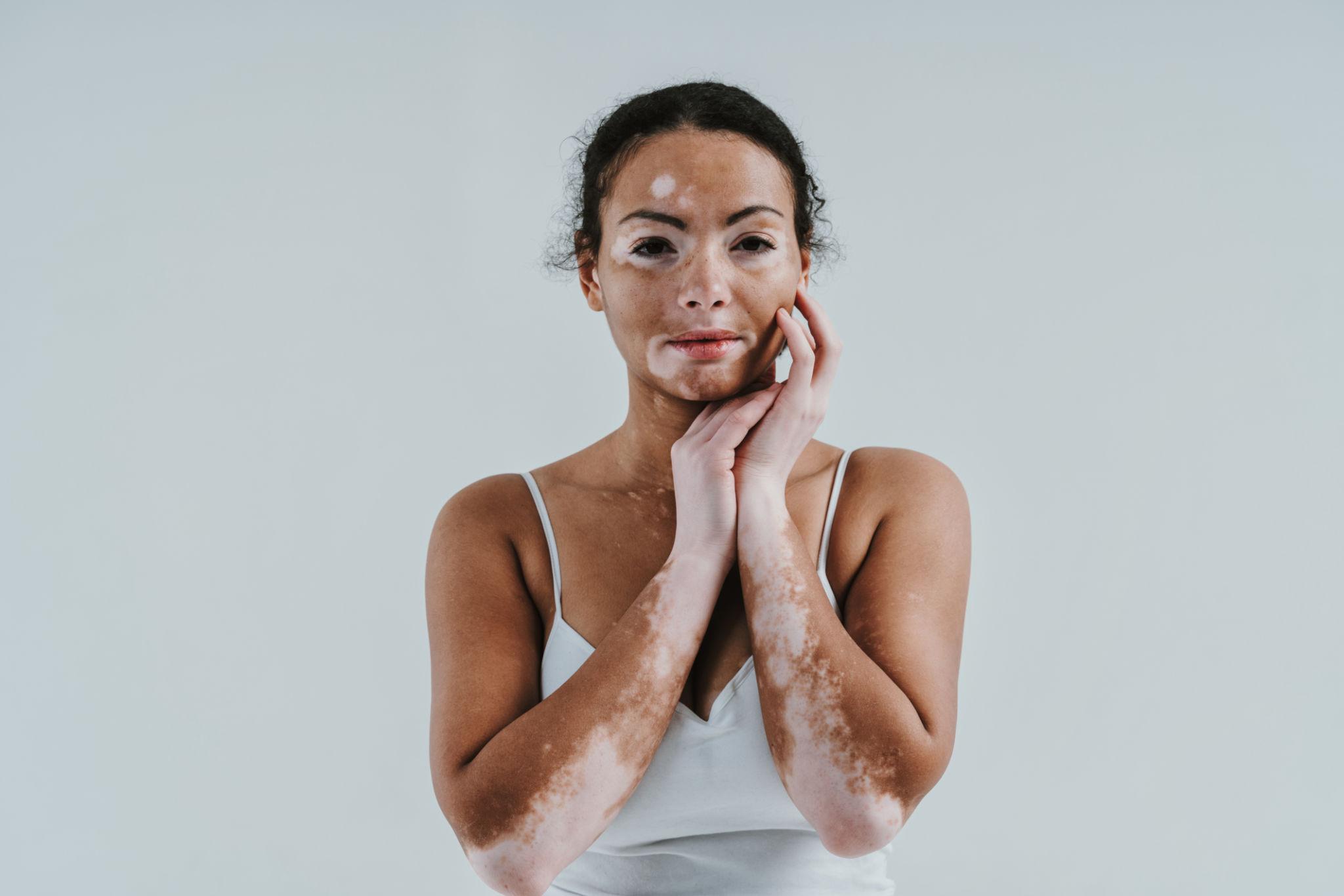
Vitiligo is a chronic autoimmune skin disorder characterized by the loss of skin pigment in specific areas of the body. It occurs when melanocytes, the cells responsible for producing melanin, become damaged or stop functioning properly. This results in white or depigmented patches that may gradually enlarge over time.

Psoriasis

Psoriasis is a long-term inflammatory skin disorder in which skin cells multiply faster than normal. This accelerated skin cell turnover leads to thick, red patches covered with silvery-white scales. Factors such as genetics, immune system dysfunction, stress, lifestyle habits, and environmental triggers may contribute to the condition.

Hyper-pigmentation

Hyperpigmentation refers to the darkening of certain areas of the skin due to excessive melanin production. It can occur because of prolonged sun exposure, hormonal changes, inflammation, acne scars, ageing, or certain medications. Common forms include melasma, post-inflammatory hyperpigmentation, and age spots.

Acne

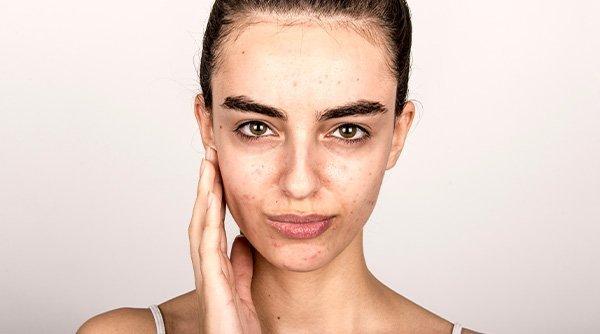
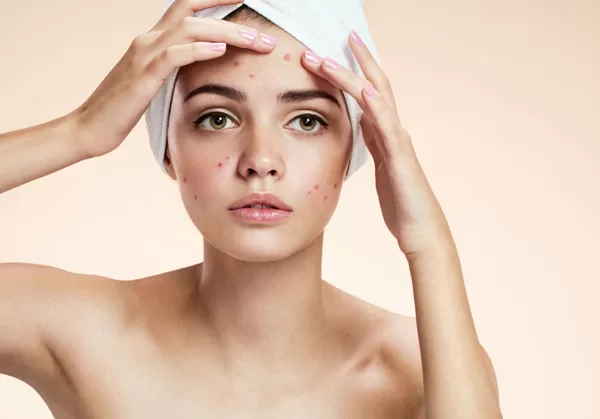
Acne is one of the most common skin disorders affecting adolescents and adults. It develops when hair follicles become blocked by excess oil, dead skin cells, and bacteria. Acne may appear as blackheads, whiteheads, pimples, papules, pustules, or painful cysts. Hormonal fluctuations, genetics, stress, dietary habits, and improper skincare practices can all contribute to acne development.

Understanding Skin Health Beyond Surface Symptoms

The skin is not an isolated organ. Modern research suggests that skin health is influenced by multiple internal factors, including nutrition, digestion, immune function, hormonal balance, sleep quality, stress levels, and overall metabolic health.

Many chronic skin disorders involve complex interactions between the immune system, inflammatory pathways, and lifestyle factors. As a result, effective skin care often requires more than topical applications alone. Supporting overall health through proper nutrition, balanced lifestyle habits, stress management, and personalised care can play an important role in maintaining healthy skin and improving long-term outcomes.

Why Choose I'M Ayurveda for Skin Disorder Treatment?

At I'M Ayurveda, we believe that lasting skin wellness begins by understanding the factors contributing to the condition rather than focusing only on visible symptoms.

Personalized Treatment Approach

Every skin condition is unique. Our specialists create customized treatment plans based on the individual's health profile, skin concerns, and recovery goals.

Focus on Root-Cause Management

We aim to identify and address factors that may influence skin health, including lifestyle habits, dietary patterns, stress, and overall well-being.

Ayurvedic and Lifestyle Support

Our treatment approach combines Ayurvedic principles, dietary guidance, lifestyle recommendations, and personalised care to support healthier skin naturally.

Experienced Medical Guidance

Our team carefully evaluates each case and provides ongoing support throughout the treatment journey to help patients achieve better skin health.

Long-Term Skin Wellness

The objective is not merely temporary relief but helping individuals maintain healthier, stronger, and more balanced skin over the long term.

Frequently Asked Questions

1

Does diet affect skin disorders?

Yes. Diet can significantly influence skin health. Nutritional deficiencies, processed foods, excessive sugar intake, and inflammatory dietary habits may contribute to certain skin conditions. A balanced diet rich in vitamins, minerals, antioxidants, and healthy fats can support healthier skin.

2

Can skin disorders be managed naturally?

Many skin disorders can be effectively managed through a combination of appropriate medical care, Ayurvedic support, healthy nutrition, lifestyle modifications, stress management, and proper skincare practices. The suitability of treatment varies depending on the condition and individual needs.

3

Can I take steroid medicines for skin disorders?

Steroid medications should only be used under the supervision of a qualified healthcare professional. While they may provide symptom relief in certain conditions, prolonged or inappropriate use can sometimes lead to side effects such as skin thinning, increased sensitivity, or other complications.

4

How long does it take to see improvement in skin disorders?

Recovery timelines vary depending on the type of skin disorder, its severity, duration, individual health status, and treatment approach. Some people may notice improvements within weeks, while chronic conditions may require longer-term management and consistent care.

I’m Ayurveda Logo

I’m Ayurveda is dedicated to authentic Ayurvedic healing, offering personalized treatments that are carefully tailored to each individual’s unique health needs and wellness journey.

Get in Touch

B-70, Block B, Industrial Estate North, Naraina, New Delhi, Delhi, 110028
+ 91 9211323232
General Enquiry:
feedback@kudos.in