Look at a glance.

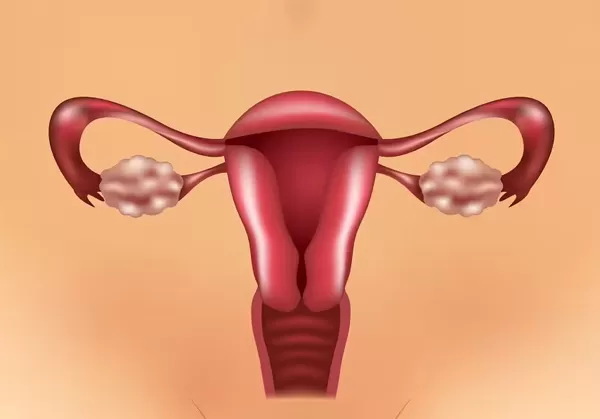
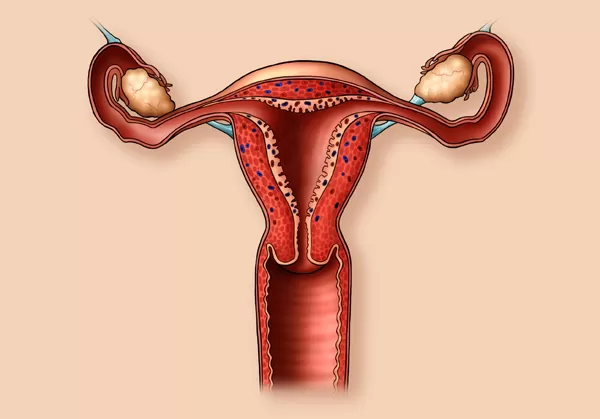
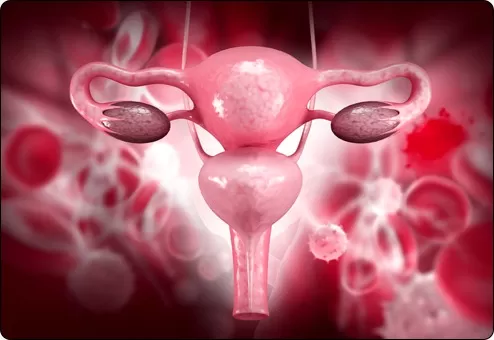
Female infertility is a reproductive health condition that affects a woman's ability to conceive naturally. It is generally diagnosed when a couple is unable to achieve pregnancy after 12 months of regular, unprotected intercourse. Female infertility can result from problems related to ovulation, hormonal imbalances, fallopian tube damage, uterine abnormalities, or other underlying medical conditions.

Several factors may contribute to female infertility, including Polycystic Ovary Syndrome (PCOS), thyroid disorders, endometriosis, age-related decline in fertility, obesity, stress, pelvic infections, lifestyle habits, and genetic factors. Early diagnosis and appropriate treatment can significantly improve reproductive health and increase the chances of conception.

What are the main reasons behind female infertility?

Polycystic Ovarian Syndrome (PCOS)

PCOS is one of the leading causes of female infertility. It is a hormonal disorder that affects ovulation and may lead to irregular menstrual cycles, ovarian cysts, weight gain, acne, and difficulty conceiving. Women with PCOS often experience infrequent or absent ovulation, making pregnancy more challenging.

Hormonal Imbalance

Hormones play a vital role in regulating the menstrual cycle and ovulation. Imbalances involving estrogen, progesterone, prolactin, thyroid hormones, or insulin can interfere with egg development and release, reducing fertility potential.

Damaged fallopian tubes

The fallopian tubes facilitate the transport of the egg from the ovary to the uterus. Damage or obstruction due to pelvic infections, prior surgeries, pelvic inflammatory disease (PID), or endometriosis can impede fertilization.

Endometriosis

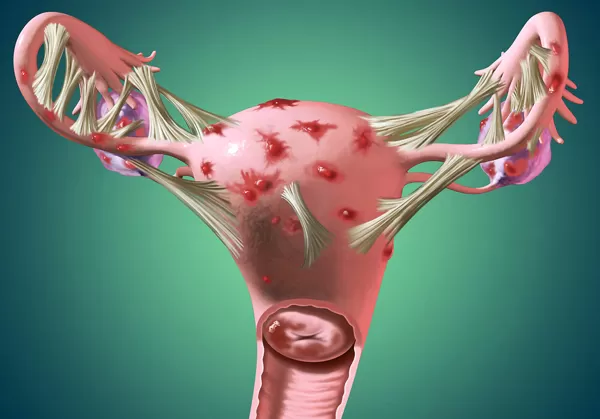
Endometriosis is a condition in which tissue resembling the uterine lining develops outside the uterus. This disorder can involve the ovaries, fallopian tubes, and adjacent pelvic structures, resulting in inflammation, pain, scarring, and impaired fertility.

What are the risk factors associated with female infertility?

Female infertility may arise from a combination of medical, lifestyle, and environmental influences. Common risk factors include the following:

  • Advancing age, particularly after 35 years
  • Polycystic Ovary Syndrome (PCOS)
  • Thyroid disorders and hormonal imbalances
  • Endometriosis
  • Pelvic inflammatory disease (PID)
  • Obesity or being underweight
  • Diabetes and metabolic disorders
  • Smoking and tobacco use
  • Excessive alcohol consumption
  • Chronic stress and anxiety
  • Poor dietary habits
  • Lack of physical activity
  • Previous pelvic surgeries
  • Exposure to environmental toxins

Female Infertility

Hormonal Imbalance

Hormonal imbalance represents a prevalent cause of female infertility. Disruptions in reproductive hormones may impair ovulation, menstrual regularity, and oocyte quality, thereby reducing the likelihood of conception. Conditions, including thyroid disorders, PCOS, and hyperprolactinemia, commonly contribute to hormonal infertility.

Leukorrhea

Leukorrhea is characterised by excessive vaginal discharge, which may result from infections, inflammation, hormonal fluctuations, or reproductive tract disorders. Persistent abnormal discharge may signal underlying gynaecological conditions that, if untreated, can adversely affect reproductive health and fertility.

Treatment for Female Infertility at I'M Ayurveda

At I'M Ayurveda, the approach to fertility emphasizes the interconnection between hormonal balance, reproductive health, digestion, and overall well-being. The focus is on identifying and addressing the root causes of female infertility rather than solely managing symptoms.

Drawing on Ayurvedic principles, practitioners at I'M Ayurveda develop individualised treatment plans that may include herbal formulations, dietary modifications, lifestyle adjustments, detoxification therapies, and stress-management strategies. For instance, treatment may include Ayurvedic herbs such as Ashoka, Shatavari, and Lodhra to promote reproductive health. Dietary recommendations emphasise the inclusion of fresh fruits, whole grains, and leafy greens while minimising processed foods and sugar. Additional therapies may involve gentle detoxification procedures and specialised massages to improve circulation and hormonal balance. Stress management techniques, including yoga, meditation, and breathing exercises, are also commonly recommended to enhance overall well-being and fertility.

These therapies aim to support healthy ovulation, hormonal balance, reproductive wellness, and overall vitality. For example, one of our patients, Priya, had struggled with irregular periods and difficulty conceiving for two years. After following a personalised Ayurvedic plan at I'M Ayurveda that included herbal formulations, dietary changes, and stress management techniques, she successfully achieved a healthy pregnancy within six months. Such experiences highlight the positive impact of our holistic approach on women's reproductive health.

Every treatment plan is tailored to the individual's constitution, health condition, and fertility goals. By combining traditional Ayurvedic wisdom with a holistic approach to wellness, we strive to help women improve their reproductive health naturally and sustainably.

Frequently Asked Questions

1

What are the common causes of female infertility?

Female infertility may result from PCOS, hormonal imbalances, endometriosis, blocked fallopian tubes, uterine abnormalities, age-related factors, thyroid disorders, and lifestyle-related conditions.

2

Can female infertility be treated naturally?

Depending on the underlying cause, fertility may improve through healthy lifestyle changes, proper nutrition, stress management, and holistic therapies that support reproductive health.

3

Does age affect female fertility?

Yes. Female fertility gradually declines with age, especially after 35 years, due to a reduction in both egg quantity and egg quality.

4

How long does it take to improve fertility?

The timeline varies according to the underlying cause, age, overall health, and treatment plan. Consistent lifestyle modifications and supportive therapies may require several months before noticeable improvements occur.

5

When should I consult a fertility specialist?

If you have been trying to conceive for more than one year without success, or six months if you are over 35 years of age, it is advisable to seek professional evaluation.

I’m Ayurveda Logo

I’m Ayurveda is dedicated to authentic Ayurvedic healing, offering personalized treatments that are carefully tailored to each individual’s unique health needs and wellness journey.

Get in Touch

B-70, Block B, Industrial Estate North, Naraina, New Delhi, Delhi, 110028
+ 91 9211323232
General Enquiry:
feedback@kudos.in