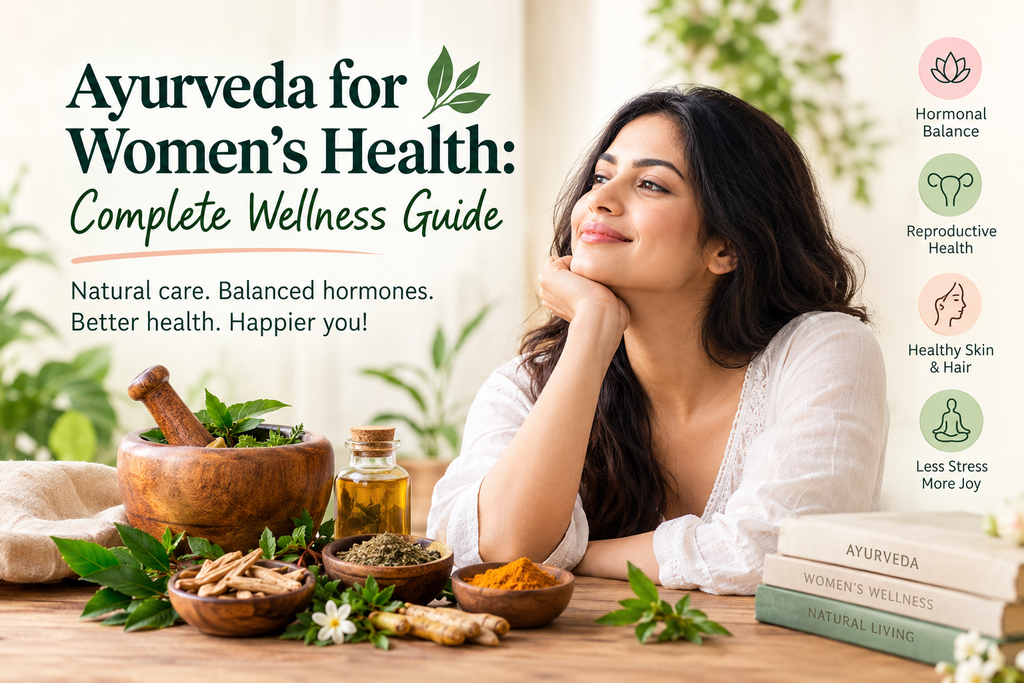
Women’s health is about more than physical fitness. Hormonal changes, menstrual health, reproductive wellness, emotional well-being, sleep, and nutrition all play an important role in a woman’s overall quality of life.
Ayurveda, India’s traditional system of wellness, emphasizes maintaining balance through appropriate nutrition, daily routines, physical activity, stress management, and individualized care. An Ayurvedic approach focuses on understanding a person’s unique needs and supporting long-term well-being through healthy lifestyle practices.
In this guide, we explore how Ayurveda can complement women’s wellness at different stages of life, from menstruation and reproductive years to pregnancy, postpartum recovery, and menopause.
1. Understanding Women’s Health Through Ayurveda
Ayurveda describes three fundamental energies, known as Vata, Pitta, and Kapha, which are used to understand individual constitution and patterns of health.
- Vata: Traditionally associated with movement, including bodily functions and the nervous system.
- Pitta: Associated with transformation, digestion, and metabolic processes.
- Kapha: Associated with structure, stability, and lubrication.
Ayurvedic practitioners consider these principles alongside a person’s symptoms, lifestyle, diet, and health history when recommending personalized care.
Every woman has different needs, and factors such as age, stress, sleep, nutrition, and existing health conditions should also be considered.
2. Ayurvedic Support for Hormonal Wellness
Hormonal changes can influence menstrual cycles, energy levels, mood, sleep, skin, and hair. Factors such as stress, nutritional deficiencies, thyroid disorders, and conditions like polycystic ovary syndrome (PCOS) may also affect hormonal health.
Healthy habits that support overall wellness include:
- Eating balanced meals with adequate protein, fiber, healthy fats, vitamins, and minerals.
- Maintaining regular sleep and wake times.
- Engaging in regular physical activity.
- Practicing yoga, meditation, or breathing exercises for relaxation.
- Seeking medical advice for persistent irregular periods or other unusual symptoms.
Ayurveda may offer complementary lifestyle practices, but herbal treatments should not replace medical evaluation or prescribed treatment for hormonal disorders.
3. Ayurveda and Menstrual Health
Menstrual cramps, irregular cycles, heavy bleeding, and premenstrual symptoms can affect daily activities and quality of life.
Ayurveda traditionally emphasizes rest, nourishing foods, appropriate movement, and individualized routines during menstruation.
Some supportive practices include:
- Applying gentle warmth to the lower abdomen for menstrual cramps.
- Staying hydrated and eating regular, nutritious meals.
- Choosing gentle stretching or walking if comfortable.
- Practicing relaxation techniques to manage stress.
- Tracking menstrual dates, symptoms, and changes in bleeding.
Important: Very heavy bleeding, severe pain, bleeding between periods, or persistently irregular cycles should be assessed by a healthcare professional. These symptoms may require investigation and specific treatment.
4. Ayurvedic Herbs Commonly Discussed for Women’s Wellness
Several herbs appear in traditional Ayurvedic practices. Their effects and safety vary, and evidence for treating specific women’s health conditions is limited.
Ashwagandha
Traditionally used in Ayurvedic preparations for stress and general well-being. Research is still developing, and it may not be suitable during pregnancy or for people with certain medical conditions or medications.
Shatavari
Traditionally associated with women’s reproductive wellness. Evidence for benefits in specific conditions remains limited, so professional guidance is recommended before use.
Turmeric (Haldi)
Commonly used as a culinary spice and in traditional wellness practices. Normal food quantities differ from concentrated supplements, which may cause side effects or interact with medicines.
Neem
Used in traditional skin and wellness preparations. Oral neem products can carry risks, particularly during pregnancy, and should not be taken without qualified medical advice.
Always consult a qualified healthcare professional before using herbal supplements, especially during pregnancy, breastfeeding, fertility treatment, or when taking prescription medicines.
5. Ayurvedic Lifestyle Practices for Better Women’s Health
Daily habits can make a meaningful contribution to physical and emotional well-being.
Eat a balanced, nourishing diet
Include vegetables, fruits, whole grains, pulses, nuts, seeds, and adequate protein. Iron-rich foods are particularly important for women who menstruate, while individual nutritional needs may change during pregnancy and menopause.
Maintain regular physical activity
Walking, strength training, yoga, and other enjoyable activities can support cardiovascular health, bone strength, mood, and sleep.
Prioritize sleep
Aim for a consistent sleep schedule and a relaxing bedtime routine. Persistent sleep disturbances may need professional assessment.
Practice stress management
Meditation, mindful breathing, time outdoors, and regular breaks can help manage everyday stress and support emotional wellness.
Stay hydrated
Drink water regularly throughout the day, adjusting intake to activity level, weather, and individual health needs.
6. Ayurveda for Different Stages of a Woman’s Life
Women’s wellness needs evolve over time, so care should be adapted to each life stage.
- Adolescence: Focus on nutritious food, menstrual education, healthy sleep, and appropriate physical activity.
- Reproductive years: Support general health through balanced nutrition, menstrual tracking, preventive healthcare, and individualized wellness routines.
- Pregnancy: Prioritize prenatal care, appropriate nutrition, and medical guidance before taking any herbal preparation.
- Postpartum period: Support recovery with adequate nutrition, rest where possible, and appropriate physical and emotional care.
- Menopause: Focus on bone health, strength training, sleep, cardiovascular health, and professional advice for troublesome symptoms.
Ayurvedic practices may complement these measures, but they should not delay evidence-based diagnosis or treatment.
7. Common Women’s Health Concerns That Need Professional Care
Ayurveda may be explored as a complementary wellness approach, but certain symptoms should not be managed through home remedies alone.
| Health concern | Recommended approach |
|---|---|
| PCOS | Medical assessment, lifestyle support, and individualized treatment |
| Persistent menstrual irregularity | Evaluation for possible hormonal or other causes |
| Heavy menstrual bleeding | Medical assessment and screening for anemia when indicated |
| Fertility difficulties | Timely evaluation by a qualified fertility specialist |
| Menopause symptoms | Personalized care and discussion of suitable treatment options |
| Hair fall and skin changes | Assessment for possible nutritional, hormonal, or dermatological causes |
Early evaluation can help identify underlying conditions and guide appropriate treatment.
8. Simple Daily Wellness Routine for Women
Here is an example of a practical routine that can be adjusted to suit individual schedules and needs.
- Morning: Wake up at a consistent time, drink water, and enjoy gentle movement or stretching.
- Breakfast: Choose a balanced meal containing protein, fiber, and other essential nutrients.
- Afternoon: Eat a nutritious lunch, stay hydrated, and take short movement breaks.
- Evening: Walk, practice yoga if suitable, or spend time on a relaxing activity.
- Night: Have a balanced dinner, reduce screen time before bed, and follow a consistent sleep schedule.
Consistency matters more than following a strict routine. Choose habits that are realistic and sustainable.
Conclusion
Ayurveda for women’s health offers a traditional perspective on wellness that emphasizes individualized routines, balanced nutrition, movement, rest, and stress management. These principles can complement modern healthcare and help women build healthier daily habits throughout different stages of life.
The best approach is one that considers each woman’s unique needs while prioritizing safe, evidence-informed care. Before starting Ayurvedic herbs or supplements, seek advice from a qualified healthcare professional to ensure they are appropriate for your circumstances.
Healthy habits, informed choices, and personalized care are the foundation of long-term women’s wellness.
It is a traditional approach to wellness that emphasizes personalized nutrition, daily routines, physical activity, relaxation, and herbal preparations where appropriate.
Some Ayurvedic lifestyle practices may complement general health measures, but evidence that Ayurvedic treatments correct hormonal disorders is limited. Persistent symptoms should be medically assessed.
Ashwagandha and Shatavari are among the herbs used in traditional practice. Their benefits, risks, and suitability vary, so professional advice is important.
Not every Ayurvedic herb or preparation is safe during pregnancy. Consult your obstetrician before using any herbal product or supplement.
Balanced nutrition, regular activity, adequate sleep, stress management, and tracking menstrual symptoms can support general well-being. Persistent pain, heavy bleeding, or irregular periods require medical evaluation.