Paralysis Treatment: Symptoms, Types, Causes and Recovery Options

Paralysis is a neurological condition characterised by the loss of muscle function in one or more parts of the body. Depending on the extent of nerve involvement, a person may experience difficulty in movement, reduced muscle strength, impaired coordination, or loss of sensation. The condition can affect a single limb, one side of the body, the lower body, or, in severe cases, all four limbs.

Paralysis commonly develops due to stroke, spinal cord injury, traumatic brain injury, multiple sclerosis, neurological disorders, infections, or damage to the nerves that control movement. Early diagnosis and a structured rehabilitation plan play a vital role in improving mobility, independence, and overall quality of life.

Understanding Paralysis Recovery Beyond Symptom Management

The human body is not a machine assembled from a few isolated parts. It is a highly complex biological system made up of billions of cells, tissues, nerves, chemical messengers, proteins, enzymes, and interconnected physiological networks that continuously work together to maintain health and repair damage.

When paralysis occurs due to stroke, nerve injury, spinal cord trauma, or neurological disorders, the challenge is not limited to muscle weakness alone. Recovery depends on multiple factors, including nerve regeneration, blood circulation, nutrition, muscle conditioning, brain-body communication, metabolic health, and the body's inherent capacity for repair and adaptation.

Modern research shows that recovery and rehabilitation are influenced by the availability of proper nutrients, physical stimulation, therapeutic exercise, and supportive care that help create an environment conducive to healing. In this context, Ayurveda focuses on supporting the body's natural restorative processes through individualized nutrition, herbal support, lifestyle modifications, therapeutic procedures, and rehabilitation-oriented care.

Rather than viewing the body as a collection of separate symptoms, this approach recognises the importance of providing the physiological resources the body requires for recovery. When combined with physiotherapy, exercise, and medical supervision, Ayurvedic care aims to support overall health, improve physical function, enhance mobility, and contribute to a better quality of life throughout the rehabilitation journey.

A personalised recovery plan may include therapeutic exercises, physiotherapy, dietary guidance, Ayurvedic interventions, and lifestyle recommendations designed to support long-term neurological and physical well-being.

Common Signs and Symptoms of Paralysis

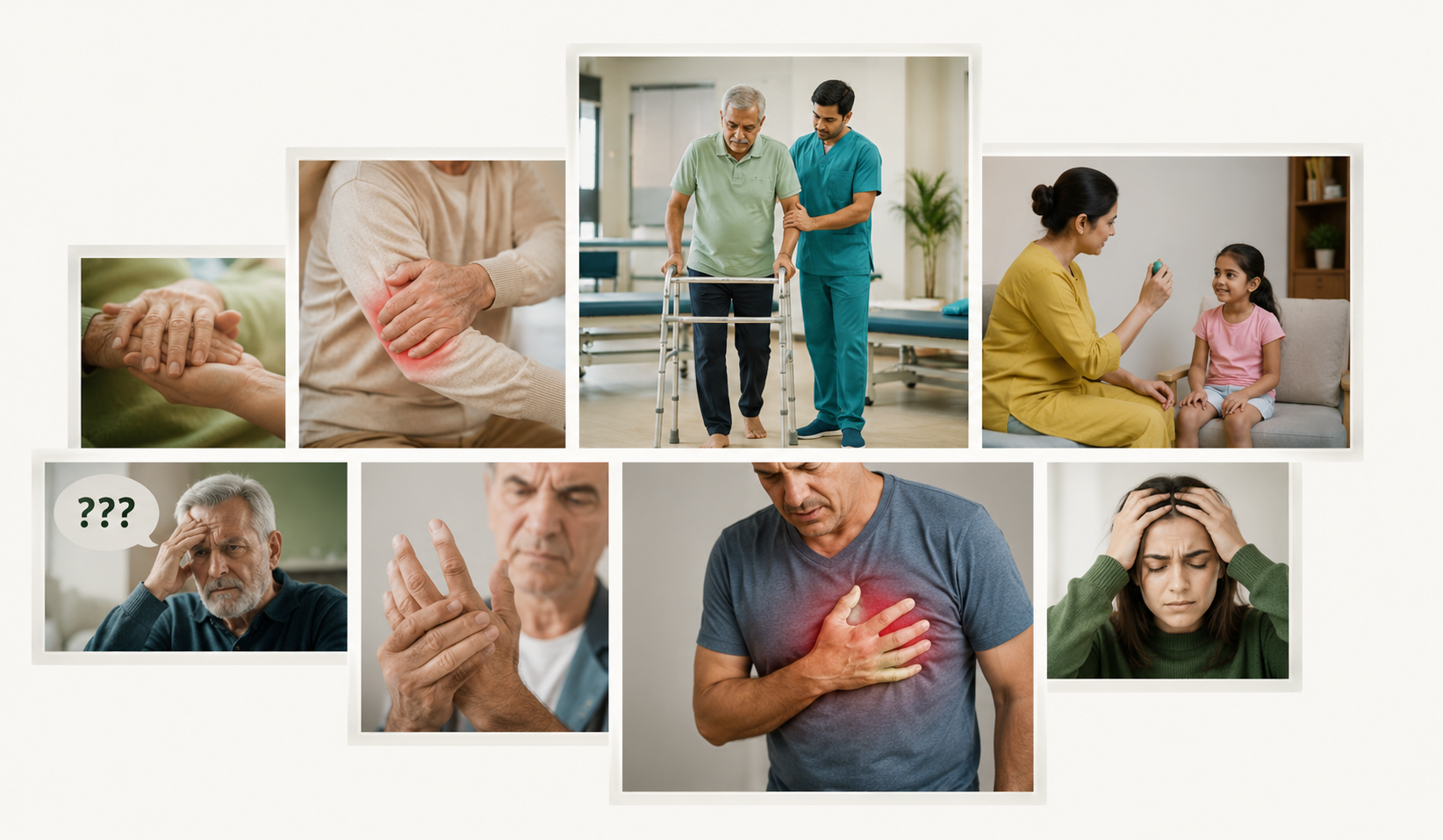
The symptoms of paralysis vary depending on the underlying cause and severity. Common signs include:

  • Muscle Weakness Reduced strength in one or more parts of the body, making movement difficult.
  • Spasticity Stiffness or involuntary muscle tightening may impair mobility and flexibility.
  • Loss of Motor Function Difficulty performing daily activities due to impaired control of voluntary movements.
  • Reduced Muscle Tone Muscles may become weak, lack tone, or be unable to maintain normal posture and stability.
  • Speech and Communication Difficulties Certain neurological conditions associated with paralysis can affect speech and language functions.
  • Loss of Sensation Individuals may experience numbness, tingling, or reduced sensitivity in the affected areas.
Types of Paralysis

Paralysis presents in various forms depending on the region of the body affected.

Monoplegia

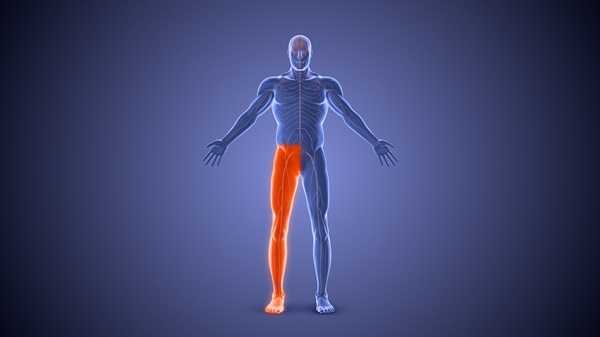
Monoplegia refers to paralysis of a single limb, such as one arm or one leg. It is often associated with neurological conditions that affect specific motor pathways, which can impair mobility and coordination in the affected limb.

Hemiplegia

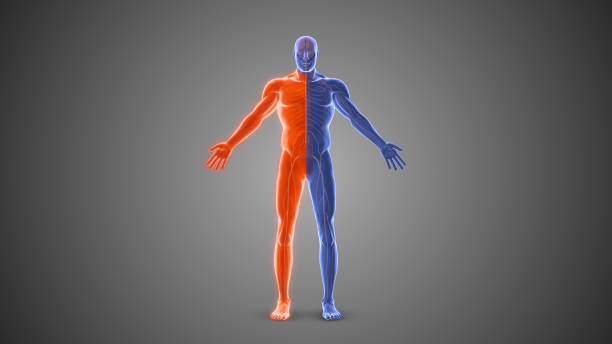
Hemiplegia affects one side of the body, typically involving both the arm and leg on the same side. It is commonly seen following a stroke or brain injury. Some individuals may retain partial movement and strength, a condition often referred to as hemiparesis.

Paraplegia

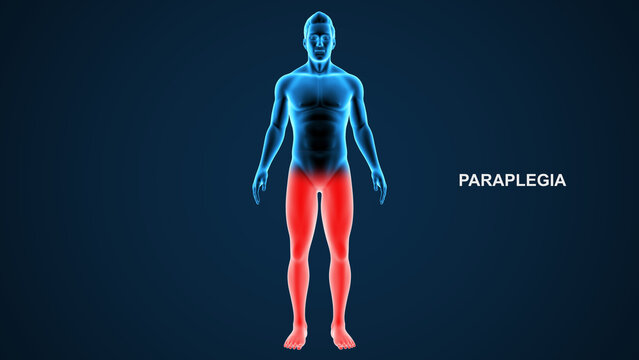
Paraplegia primarily affects the lower half of the body, including both legs. It usually results from injury or damage to the spinal cord and can significantly impact walking, balance, and lower-body movement.

Quadriplegia

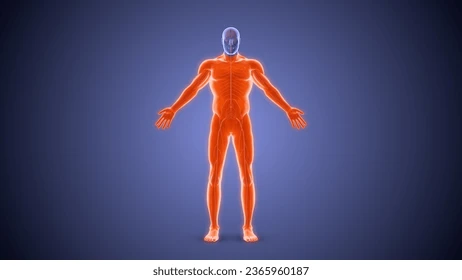
Quadriplegia, also known as tetraplegia, affects all four limbs and the torso. It occurs when communication between the brain and the body is disrupted by severe spinal cord injury or neurological damage to the cervical spine.

Importance of Early Diagnosis and Timely Intervention

Early identification of paralysis and its underlying cause is essential for achieving better rehabilitation outcomes. Timely intervention allows healthcare professionals to create targeted treatment strategies that help preserve muscle function, prevent complications, and improve recovery potential.

A comprehensive evaluation helps determine the extent of nerve involvement and guides the selection of appropriate therapies and rehabilitation techniques.

Personalised Care for Paralysis Recovery

At our centre, we believe that every patient requires an individualised recovery plan tailored to their specific condition, medical history, and rehabilitation goals. Our holistic approach combines traditional wellness principles with evidence-based rehabilitation strategies to support long-term recovery.

Our treatment programs focus on:

  • Improving mobility and physical function
  • Supporting nerve and muscle health
  • Enhancing coordination and balance
  • Strengthening weakened muscles
  • Promoting overall wellness and independence
  • Improving quality of life through structured rehabilitation

Each patient's progress is carefully monitored, and treatment plans are adjusted based on recovery milestones and individual needs.

Integrated Rehabilitation and Supportive Therapies

Effective paralysis recovery often involves a combination of therapies working together to support physical and neurological rehabilitation.

Physiotherapy and Movement Training

Targeted physiotherapy programs help improve strength, flexibility, balance, posture, and functional movement.

Therapeutic Exercises

Customised exercise routines stimulate muscle activity, enhance coordination, and support improvements in mobility.

Nutritional Support

A balanced diet plays an important role in maintaining overall health, supporting tissue repair, and promoting physical recovery.

Lifestyle Guidance

Healthy lifestyle practices can contribute to improved energy levels, better physical function, and long-term well-being.

Patient Education and Family Support

Recovery is often more successful when patients and caregivers understand the rehabilitation process. Educational resources and guided support help families participate actively in the recovery journey.

Moving Towards a Better Quality of Life

Paralysis recovery is a gradual process that requires dedication, professional guidance, and a personalised treatment strategy. With the right combination of rehabilitation therapies, nutritional support, and holistic care, many individuals can improve mobility, regain confidence, and achieve greater independence.

Our goal is to provide compassionate, patient-centred care that supports recovery, enhances overall wellness, and helps individuals lead healthier and more fulfilling lives.

I’m Ayurveda Logo

I’m Ayurveda is dedicated to authentic Ayurvedic healing, offering personalized treatments that are carefully tailored to each individual’s unique health needs and wellness journey.

Get in Touch

B-70, Block B, Industrial Estate North, Naraina, New Delhi, Delhi, 110028
+ 91 9211323232
General Enquiry:
feedback@kudos.in